How Governments Are Incentivizing Clean Energy Around the World
Global Markets
Clean energy isn’t just an idea for the future. It’s happening now. Governments everywhere are using tax breaks, price guarantees, competitive bidding, low‑cost finance, and research funding to make renewable energy cheaper and more attractive for households, investors, and companies. These actions help accelerate projects, lower risk, and expand access to clean power.
How Governments Are Incentivizing Clean Energy
1. Offering Tax Credits and Direct Rebates
One of the most effective tools governments use to drive clean energy adoption is tax incentives.
In the United States, the Inflation Reduction Act has been a major force. It includes federal tax credits that can cover around 30 percent of the cost of installing rooftop solar panels, battery storage, or other clean energy systems for homeowners and businesses. Similar credits also help companies that manufacture clean energy equipment, including solar panels and wind turbine parts. This has unlocked billions of dollars in private investment and led to major project announcements across the country.
These incentives reduce upfront costs and improve returns, making clean energy projects more financially viable. For households considering rooftop solar, a 30 percent tax credit can reduce installation costs by thousands of dollars, cutting payback times and lowering monthly utility expenses. For developers and investors, predictable tax incentives make it easier to raise capital and sign contracts.
There is a trend toward targeted bonuses as well, such as extra credits for projects in low‑income communities, which can help spread benefits more equitably.
Homeowners should confirm eligibility and timing for tax credits before signing contracts, since policy changes can affect qualification rules and timelines.

2. Guaranteeing Fixed Prices Through Feed-in Tariffs
Feed‑in tariffs (FiTs) were among the earliest and most powerful incentives for renewable energy in many countries.
Under a feed‑in tariff, a government guarantees producers a set price per kilowatt‑hour of electricity for a long period, typically 15 to 25 years. This gives small and large clean energy generators a predictable revenue stream, making it easier to finance systems like rooftop solar, wind turbines on farms, or community power projects.
Germany’s long‑running feed‑in tariff program was a global model. When it began in the early 2000s, it helped expand renewable power rapidly by offering premiums above market rates for wind and solar energy. Over time, tariffs were gradually reduced to reflect falling technology costs, yet the predictability helped build industry scale and investor confidence.
China also relied on guaranteed pricing for years to drive massive clean energy growth. The country’s policy reforms in 2025 shifted many renewables to market‑based pricing, but earlier fixed payments helped build enormous capacity.
Feed‑in tariffs work best in early markets or emerging economies where cost barriers and financing risks are high. As technologies mature, shifting to competitive pricing can help sustain growth without ongoing subsidies.
3. Using Competitive Auctions to Lower Costs
Many governments now use auctions to award long‑term contracts for clean energy at the lowest price.
In an auction system, developers bid to supply electricity, and those offering the lowest price win contracts that guarantee a steady payment over time. This approach has helped bring down costs dramatically in countries like India and across Europe.
For example, recent renewable energy tenders in India have resulted in discovered solar tariffs near INR 2.48 per kilowatt‑hour (about US $0.03), reflecting fierce competition and efficient project delivery.
Competitive auctions can also tie in requirements for local jobs, energy storage, or grid integration, helping governments balance cost control with broader economic goals.
Developers preparing for auctions should focus on cost efficiencies and grid connection readiness, because even small improvements in project planning can win bids in tight markets.
4. Providing Low-Interest Loans and Green Finance
Even when technology costs are falling, affordable financing remains a hurdle for many clean energy projects.
Governments and public development banks help bridge this gap by offering low‑interest loans, loan guarantees, and co‑investment funds. These tools lower the cost of capital and reduce risk for private lenders and investors.
In North America, coordinated public and private finance has helped unlock nearly 186 new manufacturing facilities and 98 GW of clean energy capacity by the end of 2024, alongside enhanced tax credits and direct funding.
Public finance is especially valuable for large infrastructure such as offshore wind or transmission projects, where private lenders may hesitate to commit without government backing.
Project sponsors should explore all available green loan programs and guarantee products early in planning to improve bankability and reduce financing costs.
5. Funding Research, Development, and Demonstration
Government incentives aren’t only about deployment — they also support innovation.
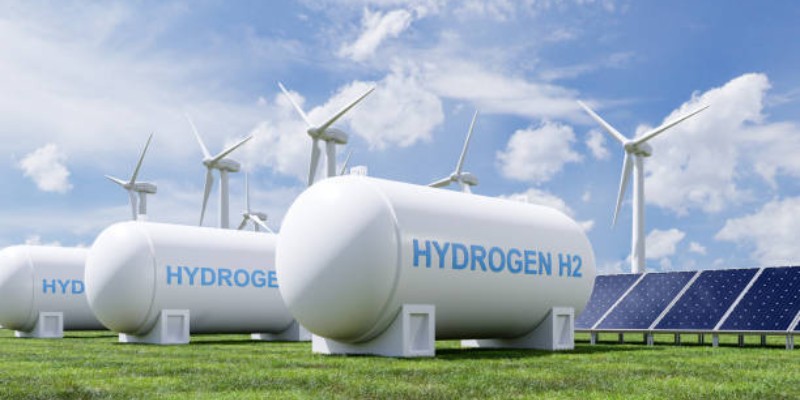
Public funding for research and pilot projects helps emerging technologies like advanced batteries, green hydrogen, and carbon capture move from conceptual stages to commercial‑ready solutions. Japan and South Korea, for example, have supported hydrogen demonstration projects that would be too risky for private firms alone.
This kind of funding creates learning opportunities, reduces long‑term costs, and can lead to scalable breakthroughs that private capital would otherwise avoid.
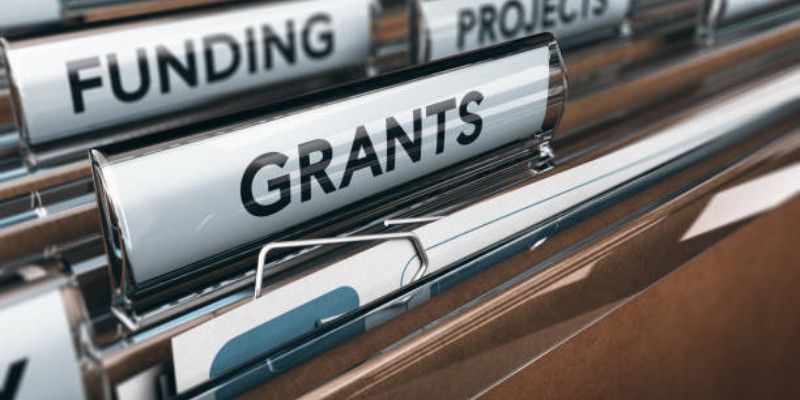
For innovators and startups, government research grants can be a strategic way to validate technology and attract follow‑on private investment.
6. Mandating Clean Energy Targets With Penalties
Some governments pair incentives with rules that require utilities to supply a certain share of clean energy by a set date.
In the United States, many states have renewable portfolio standards or clean energy standards that require utilities to use increasing amounts of clean or renewable electricity. For example, California plans to reach 60 percent renewable electricity by 2030 and 100 percent carbon‑free power by 2045.
Maryland requires 50 percent renewables by 2030, and Connecticut has a 48 percent target by 2030. At least 11 states plus the District of Columbia now have requirements for 100 percent clean or zero‑carbon electricity by mid‑century.
These mandates give energy companies a guaranteed market for renewables. When utilities know they must meet a target, they plan years in advance, making steady investments in wind, solar, and storage. Unlike direct subsidies, these rules create compliance obligations: utilities that fall short may pay penalties or buy credits to meet requirements.
For investors and developers, this kind of policy signals long‑term demand. A practical tip for clean energy businesses is to track how standards evolve in each state: even small increases in targets can justify higher pricing power or justify entering a new market before others do.
7. Supporting Consumers Through Energy Efficiency Programs
Clean energy policy goes beyond producing power; it also reduces how much energy we waste.
Governments support energy efficiency by subsidizing insulation, efficient heating systems like heat pumps, and technology such as smart meters. In the European Union, heat pump incentives are part of RePowerEU, a plan targeting millions of installations by 2030. France offers grants and tax breaks through programs like MaPrimeRénov’, helping homeowners retrofit insulation, ventilation, and heating systems. In some cases, these grants can cover a large share of renovation costs, especially for lower‑income households, and can be combined with zero‑interest eco‑loans to finance more extensive upgrades.
Retrofits like better insulation can cut heating costs by 20 to 60 percent over time, reduce household energy bills, and make clean electricity more effective by lowering demand. For anyone planning renovations, a practical approach is to bundle multiple efficiency upgrades at once, because many programs reward bigger improvements with higher aid.

8. Localizing Clean Energy Supply Chains
Countries are increasingly tying incentives to local manufacturing and jobs.
In North America and parts of Asia, tax credits and grants give extra benefit when clean energy components are made domestically or when projects meet local labor standards. This encourages companies to build factories for solar panels, wind turbine parts, and battery systems at home rather than importing them.
This strategy shifts global supply chains and spreads economic benefits beyond energy companies to local workers and small businesses. While building local capacity can raise costs in the short term, governments see value in supply chain resilience and stable employment.
For businesses, planning sites and workforce training around these incentives can unlock not just energy subsidies but also broader economic development funding.
9. Using Carbon Pricing to Shift Market Behavior
Carbon pricing makes polluters pay for greenhouse gas emissions, making fossil fuels relatively more expensive and clean energy comparatively cheaper.
One major example is the European Union Emissions Trading System (EU ETS), the world’s largest carbon market, which covers around 40 percent of EU greenhouse gas emissions. Under this cap‑and‑trade system, companies buy permits for each ton of CO₂ they emit. Revenues from these auctions now exceed tens of billions of euros and are used to support clean energy and climate projects, while emissions from covered sectors have continued to decline.
Benchmark EU carbon prices recently traded around €70–€80 per ton, providing a steady cost signal to shift investment away from coal and heavy fossil fuels. While carbon pricing is not a direct subsidy for renewables, it raises the cost of polluting, which tilts market decisions toward clean energy without direct government outlays.
For companies, understanding carbon price forecasts helps with long‑term planning. If prices are likely to rise, investing early in clean technologies can avoid higher costs later.
10. Partnering With Cities and Local Governments
National policy is only one part of the picture. Cities and local governments play a big role in implementing clean energy programs on the ground.
Urban authorities often control transportation, building codes, and local power grids. National grants and matching funds help cities roll out electric buses, rooftop solar on public buildings, and district heating systems. Cities like Copenhagen and Vancouver have used national support to increase their renewable electricity shares while cutting air pollution and improving public transit.
Local delivery makes incentives tangible. Residents see new clean buses on the road, more efficient buildings, and lower utility bills. For community leaders, working closely with national agencies can unlock funding and tailor projects to local needs rather than fitting into one‑size‑fits‑all programs.
Turning Policy Into Progress
Clean energy growth reflects deliberate policy choices, not luck. Incentives, rules, and partnerships work together to expand markets, lower costs, and reduce emissions.
For households and investors alike, knowing how these tools work makes it easier to find opportunities, reduce costs, and plan smarter. As policies evolve, staying informed about targets, incentives, and compliance requirements will become even more important in shaping energy costs, jobs, and environmental outcomes in the years ahead.
Share this article:
Recommended For You



Most Viewed

ADVERTISEMENT